C
Care
关心客户的成功与员工的福祉
We ask about your customer before we ask about your quantity. A supplier who does not know who buys your product cannot tell you which specification is right for them — only which one is cheapest to make.
Most company heritage pages describe a family lineage of craftsmen. Ours does not, because that is not what happened here. What happened is that two people built a factory on a principle, lost the easy orders, and spent twenty years replacing them with capability. This page is about that principle.
双 means double, or a pair. 美 means beautiful, or good. Together the company reads it as “two partners, both prosperous” — a pair who both do well.
It is not a decorative name. It is a statement about which side of the transaction the factory stands on. A business that names itself after mutual prosperity cannot win primarily by squeezing its counterpart — because that destroys the thing the name describes.
In practice that principle shows up in an unusual place for a Chinese factory: we publish the credentials we do not claim as prominently as the ones we do, and we mark the figures we have not verified rather than filling them with a plausible number. Both of those cost us something commercially. They are the same principle.
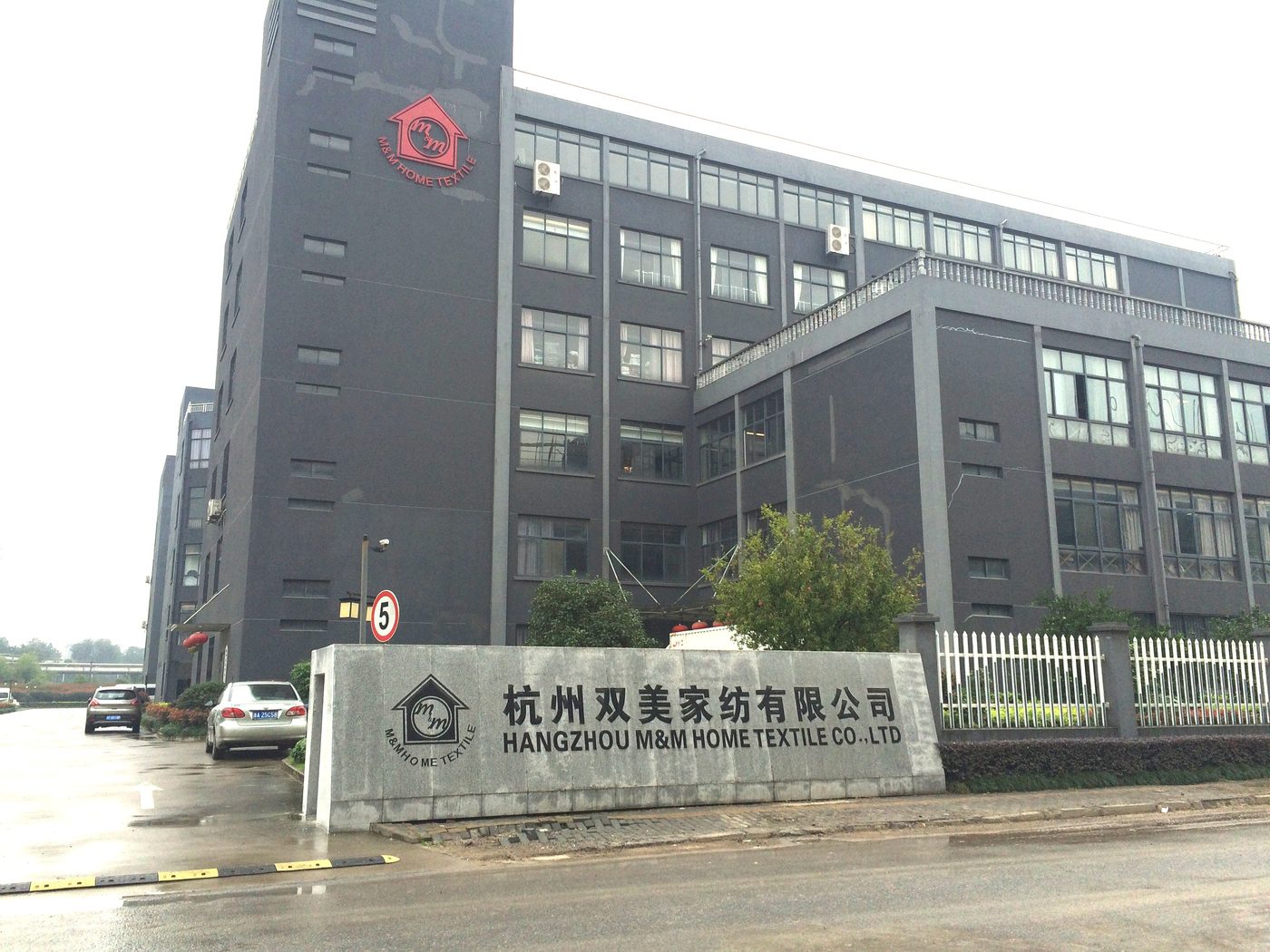
The factory gate. 双美 is on the signage above the entrance; M&M is on the customs paperwork. They are the same company — which is a problem we are still solving. More on that →
These are the values printed in our own company profile. We publish three letters because that is how many our documentation actually contains.
关心客户的成功与员工的福祉
We ask about your customer before we ask about your quantity. A supplier who does not know who buys your product cannot tell you which specification is right for them — only which one is cheapest to make.
对所承接的工作高度负责
If a production unit does not match the sealed golden sample, that is our problem and our cost — not a negotiation about tolerance. The golden sample sits in our QC room for the whole run, which is what makes that statement enforceable rather than aspirational.
严格把控品质,每个阶段都做品控
We do not give a production date we cannot hold. That sometimes means quoting a later date than a competitor, and it always means the date we gave you is the date you get. Inspection runs at incoming fabric, in-line, and before packing.
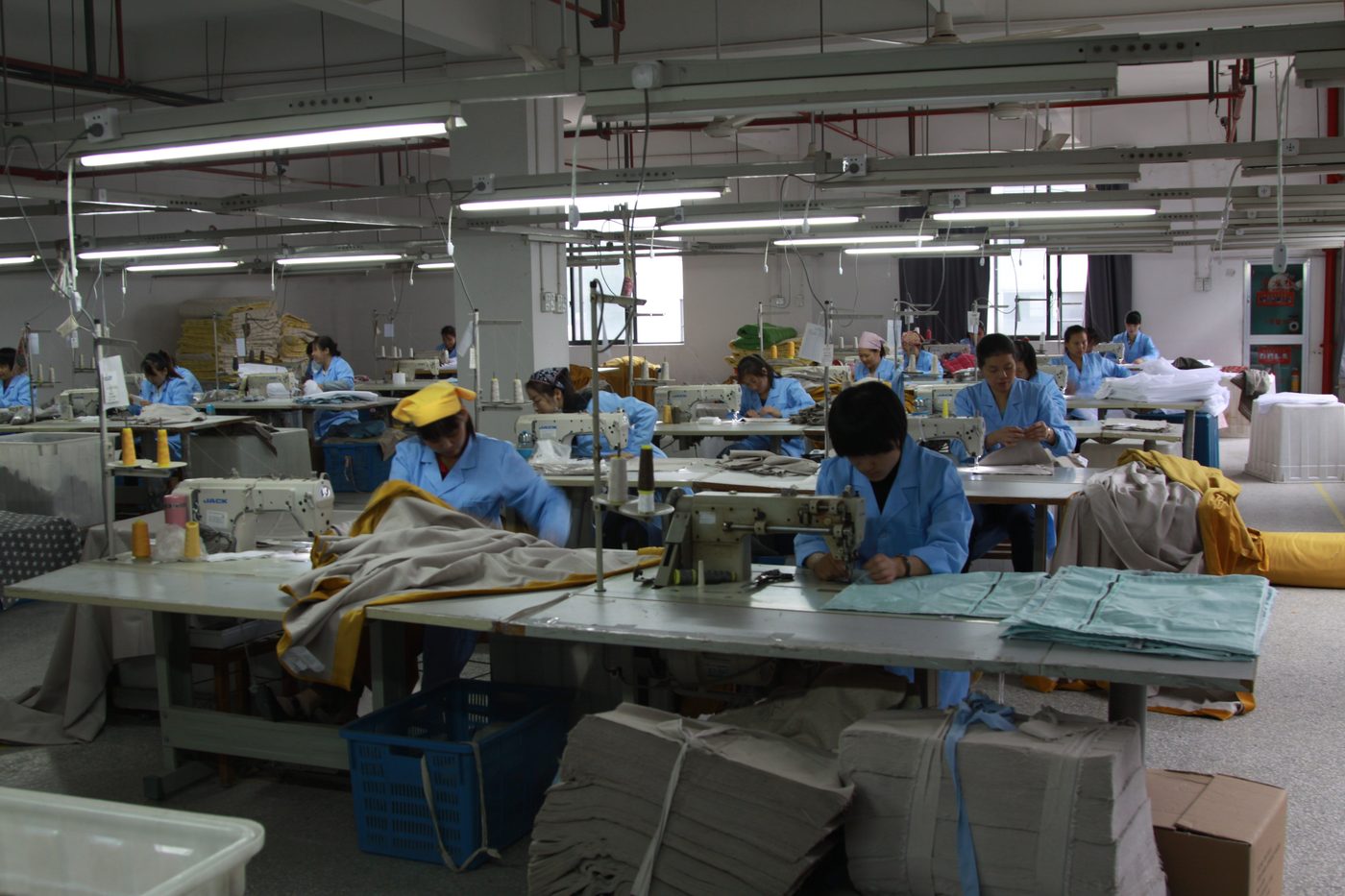
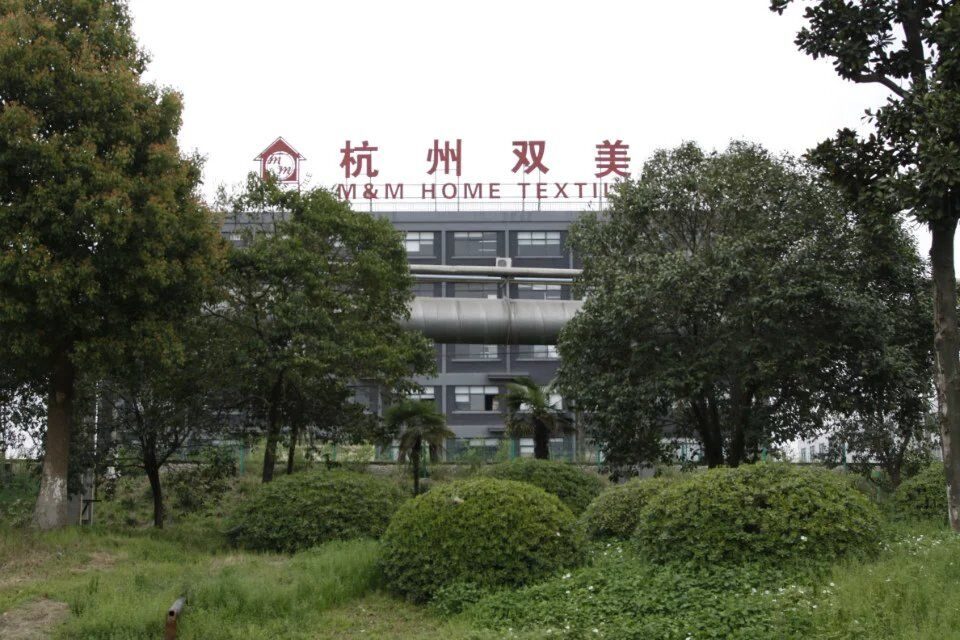
Before 2005 the business existed without a legal entity of its own. Orders came, goods shipped, money arrived — but it arrived on somebody else's books. The person doing the trading had not incorporated.
It was a partner who pointed out what that actually meant: “You work this hard all year and all your money sits on someone else's account.” Two reasons were given. The first was risk — money held by another party is money exposed to that party. The second was arithmetic: the interest on a year's turnover, held on your own books rather than someone else's, is enough to pay a bookkeeper outright.
So the company was registered, on 29 July 2005. Registration required two names. They wrote both of theirs. That partner remains a shareholder today.
That is the origin of 双美 in the practical sense. Not a family lineage — two people whose names went onto the same registration document because a business built by one person on another person's books is a business that can disappear.
We are not going to write about three generations of artisans, because that is not what this factory is. What this factory has is a set of in-house processes and the specific people who run them — and that is a more concrete claim than heritage language, because you can come and watch it.
Process knowledge that is difficult to buy: how a particular machine behaves when the humidity changes, which fill weights hold distribution through a commercial wash cycle, how a stitch pitch shifts after the needle has been running for six hours. None of that is in a manual. It lives in specific people and is taught by working alongside them.
Design here is not done alone at a desk. The work is the moment a buyer's requirement, a fabric, a filling and a machine setting are all put on the same table and argued over until they agree. A specification that nobody pushed back on is a specification that has not been tested.
There is a view of this business in which a factory converts fabric into containers. We do not think that is the business. A blanket ends up on somebody's sofa for six years. A towel is against somebody's face every morning. Once you see it that way, the specification conversation changes — you stop optimising the order and start optimising the thing the person will actually live with.
That is also the argument against making the cheapest possible version. A product built to hit a price rather than to be lived with becomes waste — and the material and the work that went into it are both wasted with it.
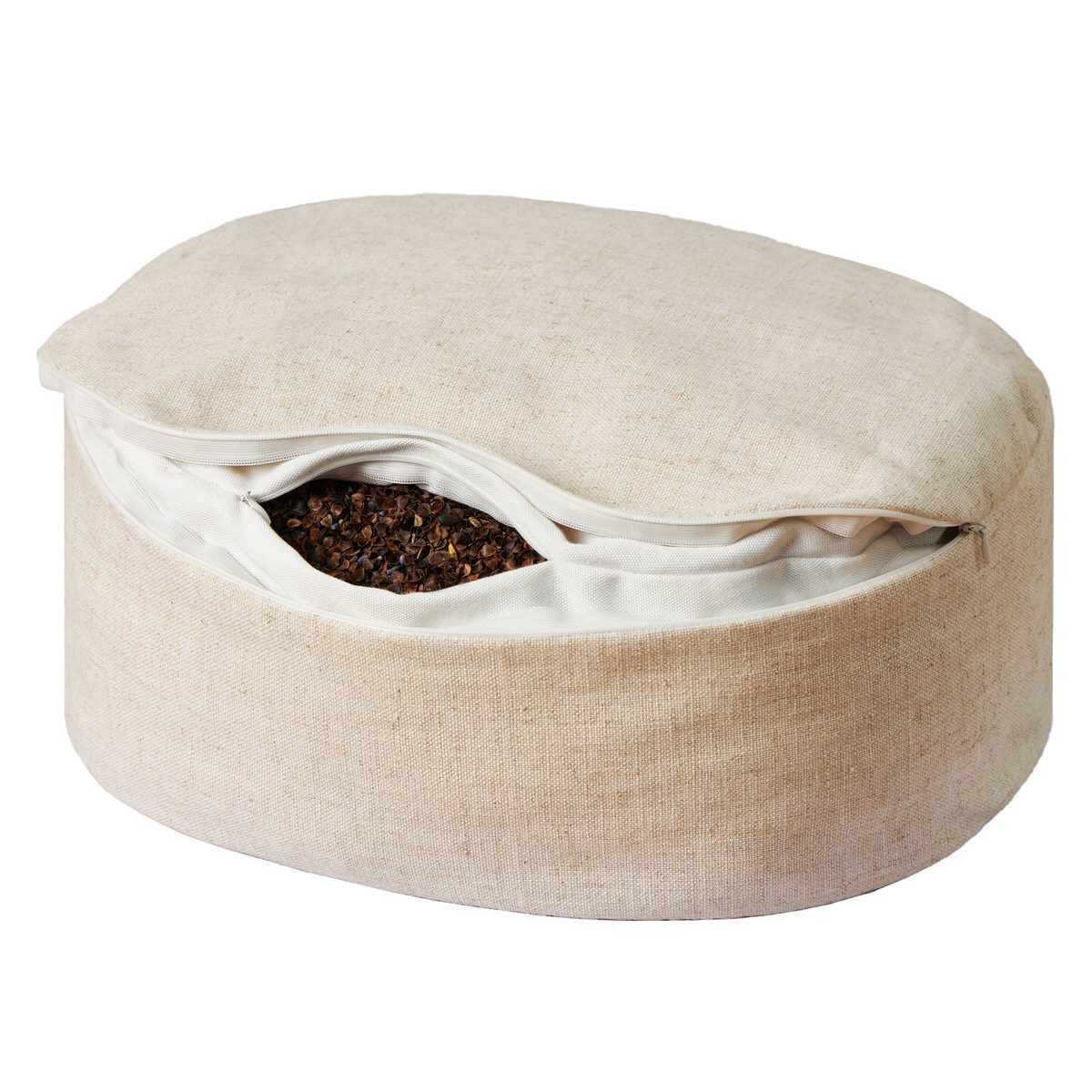
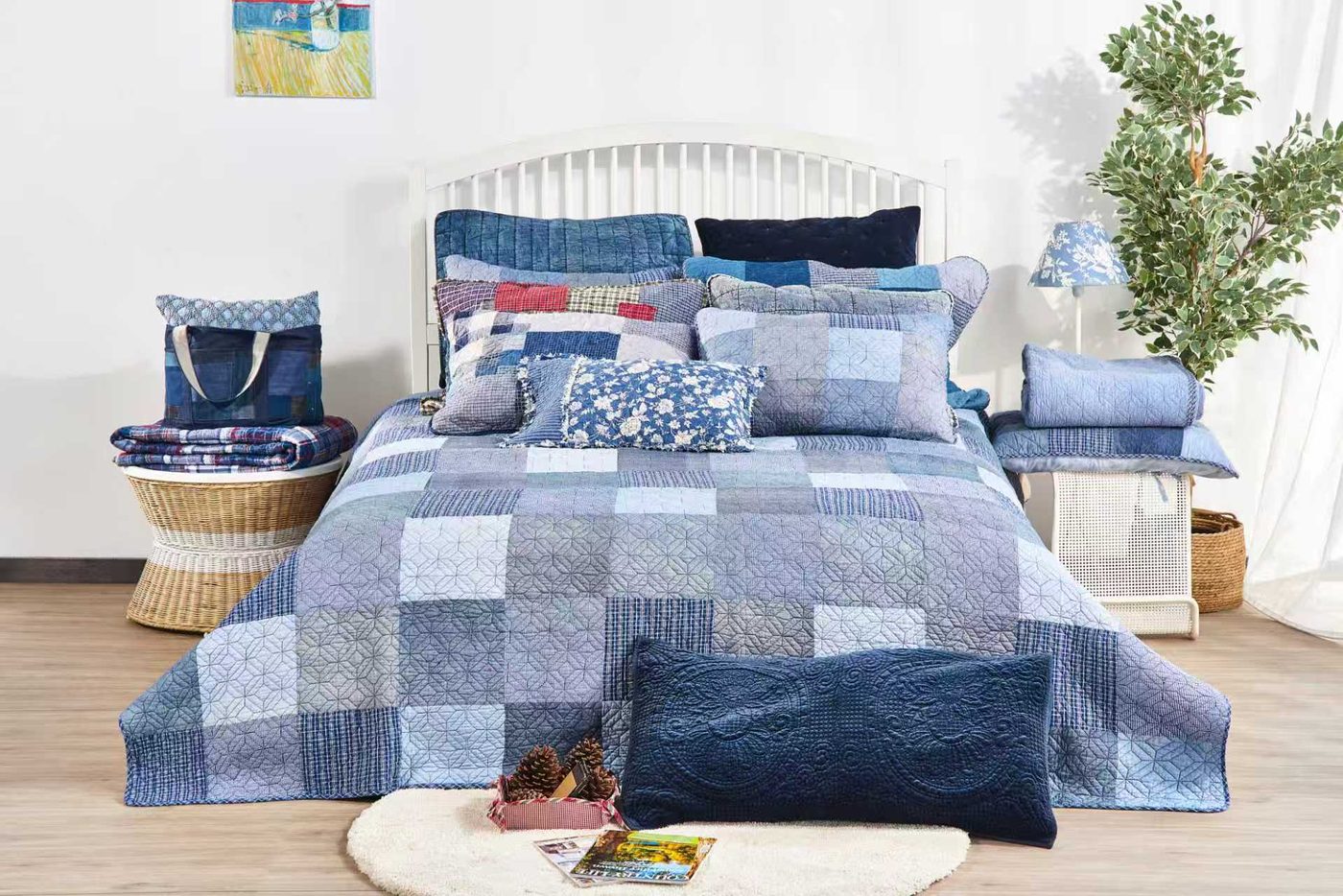
For a company without a next generation waiting to take over, continuity has to be built rather than inherited. Three things carry it.
Compression, forming, latex moulding, trim-making — capabilities that took years to buy, install, learn and make economic. They outlast any individual and they are the thing a successor actually inherits.
Every sealed golden sample we have produced is kept. A customer who returns after four years gets the same product, not an approximation of it — because the reference still physically exists.
We have relationships that predate the company itself — the first customer met in 1993 is still in contact. Those relationships are the part of the business that took longest to build and cannot be bought with capital.